
Do you have excessive daytime sleepiness? Does your partner snore loudly every night? You may need sleep apnea treatment in our Silver Spring, MD, office. Sleep apnea happens when the soft tissue at the back of your throat collapses and blocks your airway while you sleep.
Though sleep apnea is not life-threatening, repeated episodes can cause serious health issues. Obstructive Sleep Apnea (OSA) and sleep-disordered breathing are growing health concerns. They can have a negative impact on your overall health and quality of life.
Our dentists can treat sleep apnea to improve your sleep, reduce related health risks, and restore lost energy and focus. Finding the right solution for your sleep apnea can be as simple as visiting our office.
Dr. Dechter and Dr. Moy help patients with sleep apnea or sleep-disordered breathing. Dechter and Moy Dentistry in Silver Spring addresses mild to moderate symptoms of Obstructive Sleep Apnea with oral appliance therapy.
The CPAP machine is the “gold standard” of OSA treatment. Most doctors recommend it for severe cases. But oral appliance therapy is highly effective in patients with milder symptoms or are intolerant to the CPAP system. Sleep disorders are dental concerns we can treat.
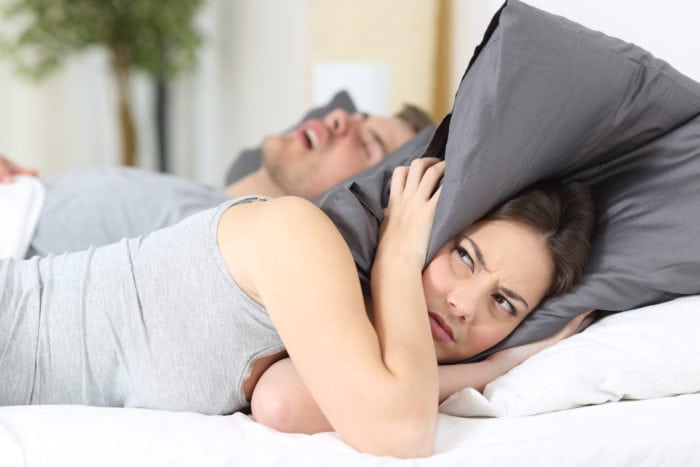
How Do I Know If I Have Sleep Apnea?
Because sleep apnea presents while an individual is asleep, you may not easily recognize that you have it. The partners of these patients might report loud snoring or brief periods of breathing cessation during the night.
You may have sleep apnea if you wake up gasping in the middle of the night. Grogginess or difficulty concentrating during the day is also a major sign. You should contact a medical professional if these symptoms seem familiar.
Sleep apnea can affect patients of all ages, even young children. But we will screen for the common oral signs of sleep apnea at your routine visits. We can also coordinate further testing with your physician.
Dr. Dechter and Dr. Moy have successfully treated many patients with this disorder. Some even report almost instant results after a few trials.
Common risk factors of sleep apnea include:
- Male gender
- Overweight, obese
- Fast weight gain in a short amount of time
- Large neck circumference
- Large tonsils
- Snoring
- Diabetic
- High blood pressure
- Over the age of 40
If you are at risk for sleep apnea, schedule a consultation and discuss your concerns with us. We can help determine whether you need further diagnosis and treatment.
The Symptoms of Sleep Apnea
Recognizing the signs and symptoms of a sleep disorder could be life-saving. Sleep apnea and other sleep-related disorders can cause you to stop breathing repeatedly during sleep and deprive vital organs of oxygen. This impacts your daily life and overall health over time.
The common signs of having a sleep disorder can include:
- Loud snoring
- Waking up gasping for air
- Feeling groggy in the morning or sleepy during the day
- Mood swings
- Difficulty concentrating
- Dry mouth in the morning
Treatments For Sleep Apnea at the Dentist
Many doctors recommend the use of a CPAP machine. This system involves a mask you wear over your nose or mouth that forces air into your airways as you sleep. But some patients do not tolerate this machine.
Patients with mild sleep apnea can discuss other treatment options with our dentist. Our dentists can provide a custom-made oral appliance for mild sleep apnea cases. You will need to wear the oral appliance overnight. This small device will keep your jaw in alignment, preventing the back of your throat from collapsing and blocking your airway while you sleep.
After you get a home sleep test and your doctor finds that you have mild to moderate symptoms of sleep apnea, we will recommend oral appliances.
How Does Oral Appliance Therapy Work?
An oral appliance is a small device, similar to a mouthguard, that helps treat sleep apnea. It reduces symptoms and lowers the health risks linked to the disorder. Dr. Dechter and Dr. Moy create custom-fit appliances designed just for your mouth.
Getting your appliance takes just two visits.
- First visit: We take impressions of your teeth and send them to a lab. Technicians there craft your appliance from high-quality plastic.
- Second visit: You come back for a fitting. The appliance fits like a mouthguard, but you can still speak and drink while wearing it. You only wear it at night while you sleep.
Oral appliances are easy to travel with, comfortable, and much less noticeable than a CPAP machine. Patients who qualify for an appliance also tend to use it more consistently, which means better results.
How to Clean Sleep Appliances
You should clean your appliance before every use to prevent bacterial buildup and keep it fresh. Gently brush the appliance with cool to lukewarm water and soap. You can also soak your appliance in denture cleaner once a week for a deep clean.
When not in use, put your appliance in its case. Don’t leave it on a napkin or paper towel because you could accidentally throw it away.
Frequently Asked Questions
Learn more about sleep apnea treatment in our Silver Spring, MD, office with answers to these common questions.
Are There Risks of Oral Appliance Therapy?
No, oral appliance therapy is safe and works well for most people. Our dentists custom-make each appliance to fit your unique smile. This means it stays securely in place while you sleep, so you can rest comfortably without worrying about it slipping.
Oral appliance therapy itself doesn’t carry health risks. But your health can suffer if you don’t treat your sleep apnea at all. Some people can’t tolerate CPAP machines, which leaves them with untreated sleep apnea. Treating sleep apnea with an oral appliance is safe. But leaving sleep apnea untreated is what carries real risks.
How can I fix sleep apnea naturally?
Patients can attempt to treat sleep apnea from home. The best way to stop sleep apnea is to exercise and stay at a healthy weight. Being overweight could make your sleep apnea much worse. Avoiding tobacco can also help but it can take 6 months after quitting to see breathing improvements.
Consult with a healthcare professional for proper diagnosis, treatment, and management of sleep apnea. Minimize the risks and maximize your treatment results at Dechter and Moy Dentistry.
What’s the best position to sleep with sleep apnea?
You should sleep on your side if you have sleep apnea. Doctors recommend that patients sleep on their right side because it increases blood circulation and can reduce snoring.
Contact us if you think you have sleep apnea. We will partner with your doctor to help you.
Can I have sleep apnea without snoring?
Many people think sleep apnea always involves loud snoring, but that’s not always true. While snoring is common in obstructive sleep apnea (OSA), some people with OSA don’t snore much or at all. Central sleep apnea, another type of sleep apnea, usually doesn’t cause snoring.
Other symptoms like daytime fatigue, morning headaches, and waking up at night can be signs of sleep apnea. Contact our office today for an exam if you have sleep apnea.
Can sleep apnea cause morning headaches?
Yes. When your breathing stops and starts during sleep, your brain may not get enough oxygen. This lack of oxygen can cause blood vessels in your head to widen, leading to headaches when you wake up. These headaches usually feel like a dull pressure on both sides of your head.
Does sleep apnea affect testosterone?
Yes. Poor sleep quality and breathing interruptions reduce the body’s ability to produce testosterone. Men with sleep apnea often have lower testosterone levels, which can impact energy, mood, and overall health. Sleep apnea treatment can help improve and restore normal hormone levels.
Is sleep apnea genetic?
OSA can have a hereditary component but isn’t solely determined by genetics. Central sleep apnea is not considered hereditary. You may be at higher risk if you have a family history of OSA. Lifestyle factors can also contribute to sleep apnea.
How does weight contribute to sleep apnea?
Being overweight can increase your risk of sleep apnea. Extra weight, especially around the neck and throat, can put pressure on your airway and make it harder to stay open while you sleep. This can cause your breathing to stop and start during the night. Losing weight, even a small amount, can make it easier to breathe at night.
Find Relief from Your Symptoms Today
Do you snore? Call Dechter and Moy Dentistry for a custom sleep appliance at (301) 508-9755. You can also schedule an appointment online.
If you have questions about sleep apnea treatment in our Silver Spring dental office, let us know at your next visit. We serve patients from Chevy Chase, Bethesda, Tacoma Park, White Oak, Kemp Hill and all surrounding communities.